
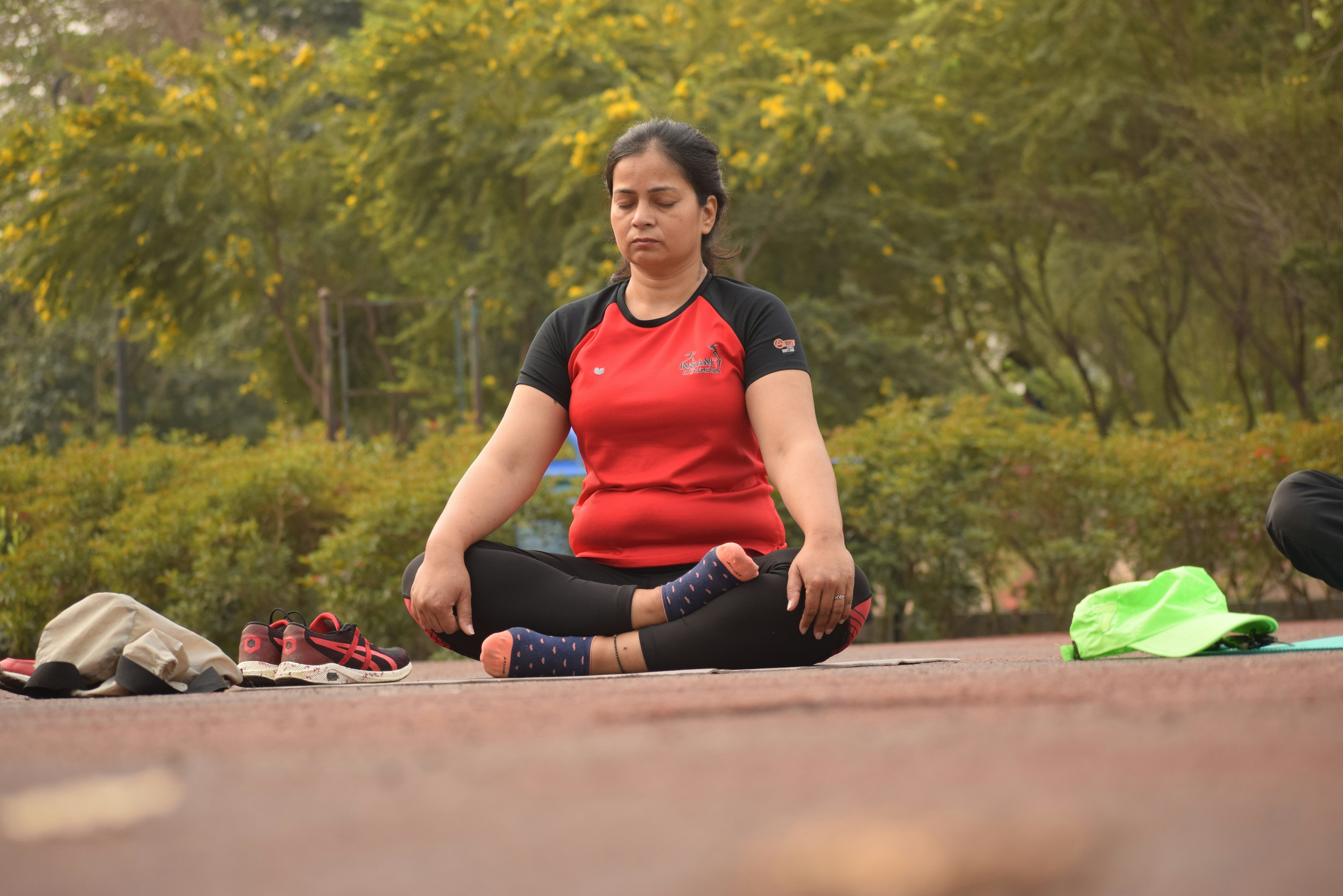
Understanding Self-Care and Self-Love
Self-care and self-love are foundational concepts that significantly contribute to overall well-being and mental health. Self-care refers to a range of practices and activities that individuals engage in to maintain and enhance their emotional, physical, and mental health. This can include simple actions such as establishing a regular sleep schedule, consuming nutritious meals, staying physically active, or engaging in hobbies that bring joy. The essence of self-care lies in recognizing one’s own needs and actively taking steps to address them, thereby promoting personal well-being.
On the other hand, self-love can be understood as the conscious act of valuing oneself. It is the recognition and acceptance of one’s worth as an individual. This practice goes beyond mere positive affirmations; it requires a deeper understanding of one’s own needs and the commitment to nurture and honor those needs. Self-love encourages individuals to acknowledge their strengths and weaknesses, promoting a balanced view of oneself that fosters resilience against life’s challenges.
The relationship between self-care, self-love, and mental health is crucial. Engaging in self-care practices not only demonstrates self-love but also serves as vital support for mental health. Individuals who practice self-care are more likely to develop a positive self-image and improve their emotional regulation. This, in turn, fosters a healthier mindset, reducing stress and anxiety while enhancing overall happiness. Hence, incorporating activities such as meditation and yoga can significantly enrich these practices, as they offer tools to cultivate mindfulness and create a deeper connection to oneself.
By understanding the importance of self-care and self-love, individuals can take proactive steps toward personal growth and mental well-being. Emphasizing these concepts lays the groundwork for a more fulfilling and peaceful life.
The Role of Meditation in Self-Care
Meditation has emerged as a fundamental practice in the realm of self-care, offering a multitude of benefits that enhance both mental and emotional well-being. By creating a dedicated space for introspection, meditation allows individuals to explore their thoughts and feelings without judgment. This reflective process fosters mindfulness, a key component of meditation that enables individuals to stay present in the moment, cultivating greater awareness of their inner states and external environment.
There are various meditation techniques that cater to different needs and preferences, each contributing uniquely to stress reduction and relaxation. Mindfulness meditation is one of the most widely practiced forms, where individuals focus on their breath or observe their thoughts as they arise. This technique promotes emotional resilience by encouraging an accepting attitude towards fleeting emotions, reducing the likelihood of becoming overwhelmed by stress.
Another effective technique is loving-kindness meditation, which emphasizes the cultivation of positive thoughts and feelings towards oneself and others. By generating compassion and goodwill through this practice, individuals not only enhance their self-love but also create a supportive emotional framework for dealing with life’s challenges. The regular practice of loving-kindness meditation has been linked to a decrease in anxiety and an increase in overall well-being.
Additionally, guided meditation, where participants follow audio or visual prompts, can be particularly beneficial for those new to the practice or seeking a structured approach. This method often leads to a greater sense of calm and clarity, allowing individuals to navigate their daily lives with increased focus and tranquility.
Integrating meditation as a self-care practice can significantly contribute to an individual’s overall mental and emotional health. Through consistency and openness to the various techniques available, individuals can build a robust foundation for self-love and care, ultimately enhancing their quality of life.
Yoga as a Pathway to Self-Love
Yoga serves as a profound pathway to cultivating self-love, functioning as a holistic practice that encourages individuals to connect with their bodies and minds. By engaging in various asanas, or poses, practitioners are invited to embrace their physical capabilities, promoting a sense of acceptance and compassion towards oneself. The journey through yoga extends beyond physical fitness; it hinges on the recognition and celebration of one’s unique abilities and limitations. This fostering of self-acceptance is essential for building a compassionate mindset, which can transform negative self-perceptions into positive affirmations.
Different styles of yoga cater to varying needs and preferences, making it accessible for individuals at every level of experience and physical ability. For instance, Hatha yoga emphasizes gentle movements and foundational postures, making it an excellent starting point for beginners who may need to build confidence in their practice. On the other hand, restorative yoga focuses on relaxation and healing, providing an opportunity for individuals to nurture their emotional well-being. Both styles facilitate a deeper connection with oneself, allowing practitioners the space to develop self-care routines that resonate with their personal journeys.
Research has shown that the psychological and emotional benefits of regular yoga practice include reduced stress and anxiety, improved mood, and increased self-esteem. Through mindfulness and breathwork, yoga helps individuals cultivate a present-moment awareness that encourages the release of negative thoughts and self-judgment. As practitioners become more attuned to their bodies, they often experience a greater appreciation for themselves, paving the way for genuine self-love. Over time, the integration of yoga into one’s lifestyle can act as a sanctuary for reflection and growth, reinforcing the belief that self-care is not a luxury, but a vital component of a balanced life.
Benefits of Combining Meditation and Yoga
The integration of meditation and yoga has gained recognition for its synergistic benefits in enhancing overall well-being. Both practices, while distinct in their approaches, complement each other beautifully and collectively foster a deeper sense of inner peace. Meditation focuses on the mind, promoting relaxation, mindfulness, and emotional clarity. Yoga, on the other hand, emphasizes physical postures and breath control, enhancing flexibility, strength, and physical awareness. When practiced in tandem, these techniques work together to evoke profound benefits for the individual.
One significant advantage of combining meditation and yoga is the enhancement of relaxation. Yoga prepares the body and mind through kinetic movements, helping individuals release physical tension and stress. This prepared state makes it easier for practitioners to transition into meditation, where they can experience a deeper meditative state. Research has shown that participants who engage in both practices report higher levels of relaxation and reduced anxiety compared to those who practice only one form. Studies indicate that a regular routine of yoga and meditation can lower cortisol levels, a hormone often associated with stress, thereby promoting emotional stability.
Additionally, the integration of these two practices can encourage better emotional health. Scientific studies highlight that individuals incorporating both yoga and meditation into their self-care routines experience improvements in mood, reduced symptoms of depression, and increased resilience to stress. By fostering mindfulness and self-awareness, practitioners can cultivate a more profound sense of self-love and acceptance. This holistic approach to well-being shows that combining meditation and yoga offers not only mental clarity but also physical health benefits, making it a powerful duo in the quest for inner peace.
Creating a Self-Care Routine with Meditation and Yoga
Establishing a self-care routine that incorporates meditation and yoga is a transformative step towards cultivating inner peace. To begin this journey, it is crucial to set aside specific times for your practice. Allocating dedicated time each day, whether in the morning or evening, creates a consistent routine that fosters discipline and commitment. Start with a duration that feels manageable, such as 10 to 15 minutes, gradually increasing the length as your comfort and experience grow.
Choosing an appropriate environment for your practice can enhance the overall experience. A quiet, serene space in your home can serve as a personal sanctuary, free from distractions. Consider utilizing soft lighting, calming scents, or even soothing sounds to create an atmosphere conducive to relaxation. If your home environment is busy, exploring outdoor locations, such as parks or gardens, can provide a refreshing change of scenery, enhancing your connection to nature during your practice.
Finding resources that resonate with your preferences is equally important. Numerous applications, online videos, or local classes offer guided sessions in both meditation and yoga. Many platforms cater to different levels of experience, ensuring that you can find practices suitable for beginners or more advanced practitioners. Experimenting with various styles, such as mindfulness meditation, restorative yoga, or vinyasa flow, allows you to discover what feels best for your individual needs.
Start small, focusing on the quality of your practice over the quantity. This approach helps in developing a sustainable routine without feeling overwhelmed. As you grow more comfortable, gradually increase the intensity and duration of your sessions, allowing for a more profound connection with both meditation and yoga. Through this mindful integration of practices, you can cultivate self-love and enhance your overall well-being, ultimately leading to a more peaceful state of mind.
Overcoming Common Barriers to Practice
In the pursuit of inner peace through meditation and yoga, individuals often encounter a variety of barriers that prevent them from establishing a consistent practice. One of the most prevalent challenges is the issue of time constraints. Many people lead busy lives filled with professional responsibilities, family commitments, and social obligations, leaving little room for self-care activities. To counteract this barrier, it is essential to prioritize personal well-being by allocating specific times for meditation and yoga. Even short sessions, as brief as ten or fifteen minutes, can significantly impact one’s mental and emotional state. Scheduling these sessions in advance and treating them as non-negotiable appointments can help integrate them into daily routines.
Another common hurdle is self-doubt, which can manifest in thoughts such as “I am not good enough” or “I do not have the discipline.” These negative beliefs can create a mental block that hinders the desire to practice. To overcome self-doubt, individuals can focus on setting realistic goals and celebrating small achievements within their meditative or yoga journey. Beginners should remind themselves that mastery takes time and that every practice is a step towards growth. Engaging in supportive communities, whether online or in person, can also provide encouragement and foster a sense of belonging.
Lack of motivation can further complicate one’s ability to engage in meditation and yoga regularly. To overcome this, individuals should explore various meditation techniques and styles of yoga to find what resonates with them personally. Experimenting with different practices can reignite interest and help cultivate a genuine passion for self-care. Moreover, visualizing the anticipated benefits of a consistent practice, such as improved mental clarity, emotional resilience, and inner peace, can serve as a powerful reminder of why such efforts are worthwhile. By acknowledging and addressing these common barriers, individuals can create a sustainable practice that enhances relaxation and self-love.
Mindfulness Techniques for Daily Life
Incorporating mindfulness techniques into daily routines can significantly enhance self-care and promote inner peace. Beyond formal yoga sessions or meditation practices, several practical strategies can help individuals cultivate mindfulness throughout their day. One such technique is mindful eating, which encourages individuals to fully engage with their meals. Rather than consuming food mindlessly while distracted by screens or conversations, mindful eating invites one to take the time to appreciate the colors, textures, and flavors of the food. By savoring each bite and acknowledging hunger cues, individuals can foster a deeper connection with their bodies and their nourishment.
Another effective mindfulness technique is the practice of walking meditation. This form of meditation transforms a common activity into a mindful experience. During a walking meditation, practitioners focus on each step, fostering a connection between movement and awareness. By paying attention to the sensations of feet touching the ground, the rhythm of the breath, and the surrounding environment, walking transitions from a simple act of transportation to a deliberate and calming practice. This can be especially useful during breaks at work or while commuting, as it allows individuals to cultivate mindfulness even in busy settings.
In addition, incorporating breathwork into various activities can enhance daily mindfulness. Taking just a few moments to practice deep breathing can anchor individuals in the present moment. This technique can be applied during stressful situations or when transitioning between tasks. By focusing on the inhalation and exhalation, it enables individuals to clear their minds and center their thoughts, consequently reducing anxiety and enhancing emotional well-being.
Ultimately, the aim is to weave self-care and self-love into the fabric of everyday life. By engaging in mindful eating, walking meditations, and breathwork, individuals can create moments of tranquility, contributing to overall mental and emotional health.
Personal Stories of Transformation
Across diverse backgrounds and life experiences, many individuals have discovered profound transformations in their lives through the practices of yoga and meditation. These personal journeys often highlight the deep connection between self-care, self-love, and overall well-being. One such narrative comes from Emily, a busy executive who felt increasingly overwhelmed by the demands of her career. After she began incorporating yoga into her routine, Emily experienced a significant decrease in stress levels. The physical practice not only enhanced her flexibility but also fostered a sense of mindfulness that permeated her daily life. Through meditation, Emily cultivated an inner dialogue filled with self-compassion, allowing her to prioritize her emotional health alongside her professional aspirations.
Similarly, Jason, a former athlete struggling with anxiety, found solace in yoga and meditation after retiring from sports. Initially hesitant, he embraced these practices as a means of reconnecting with his body and mind. Through regular yoga sessions, Jason learned to honor his physical limitations while also rediscovering a sense of purpose. His meditation practice helped him process emotions he had long suppressed, leading to a newfound appreciation for self-love and acceptance. Over time, Jason transformed his anxiety into resilience, finding joy in the present moment.
Amy’s story is another testament to the power of self-care through these practices. After a difficult personal loss, she turned to meditation as a way to navigate her grief. The simple act of sitting in stillness allowed her to confront her emotions rather than evade them. Gradually, Amy developed a loving-kindness meditation routine, directing compassion first toward herself, and then to others. This practice fostered a profound sense of healing, transforming her perspective on life and relationships.
These narratives underscore the transformative power of yoga and meditation, illustrating how adopting these self-care practices can lead to cycles of self-love and healing, allowing individuals to reconnect with their true selves.
Resources for Further Exploration
For those interested in deepening their understanding of meditation and yoga as essential forms of self-care, a wealth of resources is available to guide and enhance your practice. Beginning with literature, several foundational books can provide valuable insights. Notable recommendations include “The Miracle of Mindfulness” by Thich Nhat Hanh, which offers practical techniques and insights for integrating mindfulness into daily life, and “The Heart of Yoga” by T.K.V. Desikachar, an excellent resource for understanding the principles of yoga as a holistic practice.
In addition to books, online courses can be an effective way to learn at your own pace and gain structured guidance. Websites such as Udemy and Coursera provide a variety of courses in yoga and meditation, catering to all experience levels. Platforms like Gaia and Yoga International also offer specialized courses focusing on different styles of yoga and meditation techniques, promoting self-discovery and skill development.
Mobile applications also play a crucial role in facilitating daily practice. Mindfulness and meditation apps like Headspace and Calm feature guided sessions suitable for beginners and experienced practitioners alike. These apps help users schedule meditation sessions and track their mindfulness journey, enhancing their self-care regimen.
Furthermore, building a community can be instrumental in reinforcing your commitment to self-love through meditation and yoga. Websites such as Meetup provide opportunities to connect with local groups that practice yoga and meditation together, fostering a supportive environment of like-minded individuals. Online platforms like Insight Timer not only host a plethora of guided meditations but also feature community forums for discussion and sharing experiences.
Combining these resources empowers individuals to explore meditation and yoga fully, facilitating a deeper journey towards inner peace and self-care. By engaging with these tools, you equip yourself to continue your exploration of self-love and relaxation successfully.